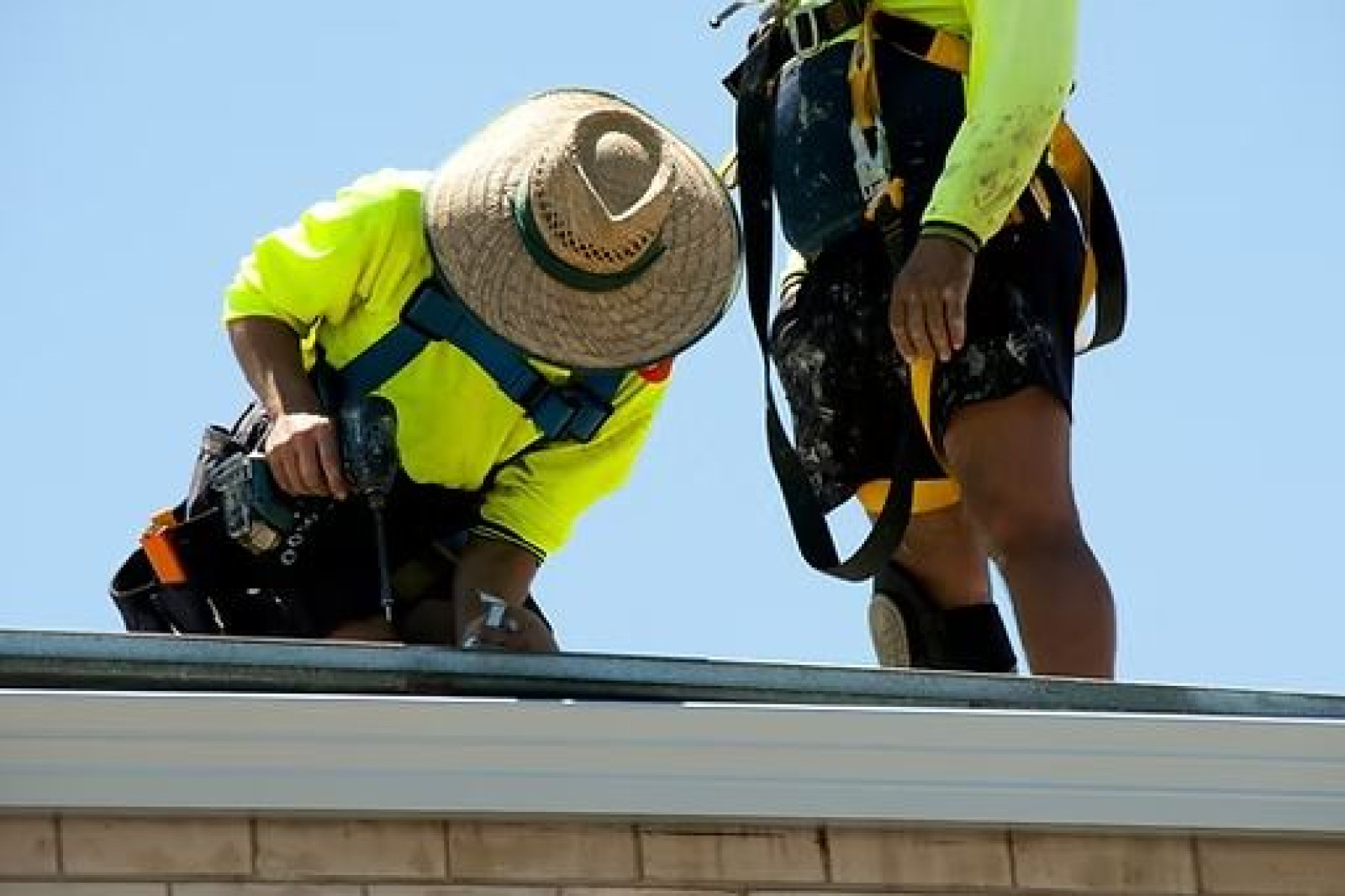
Did you know that traditional clothing doesn’t fully protect your body from the sun’s harmful UV rays? It means if you work outside you could unknowingly be exposing yourself to higher levels of harmful cancer-causing UV rays than you might think.
We take a look at how to know if your workwear is keeping you protected in the summer heat, what to look out for and how to get the best protection when working outdoors.
When it comes to workwear there are lots of ways to stay cool in the summer heat with shorts, sunshades, short sleeved shirts, vests and even sunglasses. However, when you come to order your workwear be mindful that not all products are the same.
Traditional clothing lines will cover your body and provide cooler attire, but they won’t always provide full protection as the sun’s light can still penetrate through the fabric. To block out the ultraviolet sun rays you need to be looking for fabrics with a UPF rating.
UPF or Ultraviolet Protection Factor, measures the amount of UV light that can reach your skin through a particular fabric. The higher the rating the more protection it offers. A UPF rating of 5 means that roughly 20% of the sun’s rays will still reach your skin, where as a UPF 50 rating will only allow 2%.
Knowing what materials are best for what conditions will help you to keep your workforce safe in the summer heat.
Dry, tightly woven, dark-coloured fabrics offer the most protection. However, be mindful on how things are worn and whether items stretch as this can affect its rating.
A pair of traditional dark biking shorts without any added protection have a UPF of around 85 but once the material is stretched that drops to just UPF 8 when worn.
Unless treated most fabric will allow rays to penetrate and will not offer a suitable level of protection in the summer sun.
Anything under UPF 30 is not considered highly sun protective with UPF 30 to 50 considered a good level of protection and UPF 50 or higher seen as the best level of protection.
Just like other materials UPF clothing will wear over time and the UV additives will break down. Rubbing, stretching, sweat, detergent and general use will all reduce a garment’s effectiveness.
It is important to follow the care instructions and avoid washing with harsh detergents or bleach which can damage the fibres.
Look for signs of wear and tear; small holes or pilling will decrease the effectiveness of the fabric as well as colour fading and visible thinning which are all signs you may need to upgrade your summer wardrobe.
Items like cooling caps and helmet sweat bands use special materials to regulate body temperature in extreme heat. Activated when soaked in water the material has super absorbent wicking fibres to cool and dry workers in hot weather conditions for long periods of time.
Tinted sunglasses and safety goggles also help to protect your eyes preventing eye fatigue and sun glare. Polarised lenses are particularly good for eliminating dangerous glare when driving. Using specialist lenses, they block out horizontally angled light waves, allowing only vertically angled light to enter the eye. As a result, glare is reduced, visual awareness is improved and colour contrast is enhanced.
Keeping your cool not only makes working outside in extreme conditions more comfortable it is also important for protecting your health.
Too much sun can cause skin damage, sun burn and premature aging increasing the risk of skin cancer or painful burns.
Getting the right level of protection is essential and with long hours working outdoors that isn’t always about just applying sunscreen to the areas exposed to the sun. UPF clothing provides a wearable shield to allow you to be out in the summer sun safely for longer.